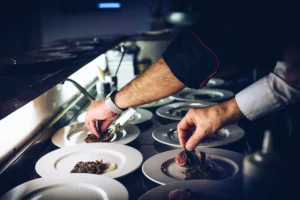
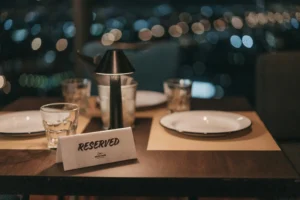
A soft launch in Singapore often looks busy on Instagram. Friends drop by, stories go up, and the team finally gets real service reps in. Then the next week arrives and it gets strangely quiet. When you search “cafe near me” or “best dinner in Telok Ayer”, your restaurant still does not show up, while competitors do.
We have seen this many times, and it usually comes down to soft launch marketing mistakes restaurant owners do not realise they are making. The soft launch is not just a rehearsal for operations. It is also the moment Google decides whether you are a real, trustworthy local business. If the digital setup is incomplete during those first few weeks, visibility can lag long after the kitchen has stabilised.
For a clearer framework, learning SEO strategies for new restaurants in Singapore helps ensure your launch period actually builds long-term search visibility instead of wasting early momentum.
Why Soft Launch Visibility Matters More Than Social Buzz
The soft launch is when early customers form habits: how they find you, what they click, and where they leave feedback. If your Google presence is weak, your initial “buzz” does not translate into searchable demand. This is a big reason why new restaurants fail to get visibility during soft launch.
Google and Google Maps do not rank restaurants based on how exciting the opening feels. They rank based on signals: accurate business details, consistent location information, reviews, photos, categories, and user engagement. If those signals are missing, the soft launch traffic stays trapped in social media, instead of compounding into search visibility.
Soft Launch Marketing Mistakes Restaurant Owners Make on Google

Most owners do not skip Google on purpose. It just gets deprioritised while staffing, suppliers, and menu testing take over. Here are the issues that show up repeatedly:
1) The Google Business Profile is not verified or not fully completed
If verification is pending, your listing can be suppressed or appear inconsistently. Even if it is live, missing categories, attributes, menu links, or opening hours can make you look less established than you are.
2) Wrong opening status during soft launch
Some owners set the listing to “temporarily closed” or do not update hours properly because service is limited. That can reduce visibility at the exact time you want Google to learn you are open and active.
3) Menu and booking links are missing or messy
A diner clicks, cannot see menu items, cannot book, and bounces. That behaviour often leads to weaker performance over time because users are not engaging.
Common Restaurant Soft Opening Marketing Pitfalls Beyond Google
Some soft launch activity creates noise but not discoverability.
Influencer posts without a consistent place to “confirm” the restaurant is one. If the content drives people to search your name, but your listing is incomplete or your address appears in different formats across platforms, the momentum gets wasted.
Another common restaurant soft opening marketing pitfalls is building a “coming soon” website that stays vague for too long. If your site does not clearly state cuisine type, location, and key pages (menu, contact, reservations), it does not support Google Search visibility. It can also confuse customers who are trying to verify details after hearing about you.
The best soft launch marketing is the kind that makes it easy for customers to find, verify, and choose you quickly.
Mistakes That Hurt Google Maps Rankings for New Restaurants

This is where early visibility can stall, especially in competitive areas like Tanjong Pagar, Bugis, Orchard, and CBD clusters. These are mistakes that hurt Google Maps rankings for new restaurants:
- Duplicate listings created by old tenants, delivery platforms, or auto-generated entries. Google splits signals across duplicates, so neither listing performs well.
- Inconsistent NAP (name, address, phone) across website, directory listings, and social profiles. Google struggles to confirm your business details.
- Too generic categories. A “Restaurant” category competes with everything. A more specific category (for example, “Italian Restaurant”, “Cafe”, “Ramen Restaurant”) helps relevance.
- No photo coverage beyond one storefront image. For Maps, photos are decision-making fuel. Food, seating, and ambience matter.
- Review velocity is ignored. A new listing with zero reviews looks unproven. A steady trickle of genuine reviews builds trust.
A practical note: do not “review dump” in one day or incentivise reviews. It often looks unnatural. Aim for consistency and authenticity.
A Simple Soft Launch Visibility Plan That Actually Works
If you want your soft launch to translate into long-term discovery, keep the plan simple:
- Before the first service: verify your Google Business Profile, set correct categories, upload strong photos, add menu and reservation links, and lock in accurate hours.
- During soft launch week: ask happy diners to leave feedback on Google, and make it frictionless with a short link or QR code that goes to the correct review page.
- Respond to every review: short, polite replies signal activity and care.
- Update once a week: add new photos, post an update, refresh menu highlights. It shows you are active.
- Keep information consistent everywhere: website, directories, delivery profiles, and social bios.
This is also the stage where AI-driven discovery becomes more realistic. If your online footprint is clear and consistent, you are easier to interpret and recommend when people ask conversational “where to eat” questions.
Conclusion
If your soft launch felt busy but your Google visibility stayed flat, it does not mean the concept is failing. It usually means the discovery foundation was not set up early enough. The good news is that these issues are straightforward to fix once you know where the signals are leaking.
Working with a specialist team like SEO for Restaurants can help you avoid the common traps and set up your soft launch so it compounds into real search visibility. If you want a practical next step, we can run a soft launch visibility diagnostic to spot what is blocking Google Search and Google Maps discovery before your opening momentum fades.