A restaurant website can have beautiful food photography, a polished menu, and a strong brand story, but still struggle to appear on Google. That is where technical SEO for restaurants matters. It is the behind-the-scenes work that helps Google crawl, understand, and trust your website.
For Singapore restaurants, cafes, and F&B brands, this is not just a technical issue. A slow site, broken booking button, unreadable menu, or poor mobile layout can directly affect whether diners stay, book, call, or leave. Technical SEO is not about pleasing search engines alone. It is about making your website work properly for hungry customers who are ready to decide.
For a broader look at how all these visibility elements work together across Search and Maps, see this guide.
Why Technical SEO Matters For Restaurant Websites
Most diners search on mobile. They may be walking around Tanjong Pagar, comparing dinner options in Orchard, or looking for a cafe near Katong. If your website takes too long to load or the menu is difficult to open, they rarely wait.
Google also uses technical signals to understand whether a website is useful and accessible. If pages load slowly, important content is hidden, or links are broken, your site becomes harder to rank and harder to convert.
Technical SEO supports:
- Google crawling and indexing your pages
- Faster mobile experience
- Clearer menu and location signals
- Better user experience
- Stronger conversion from search traffic
Restaurant Website Speed Optimisation
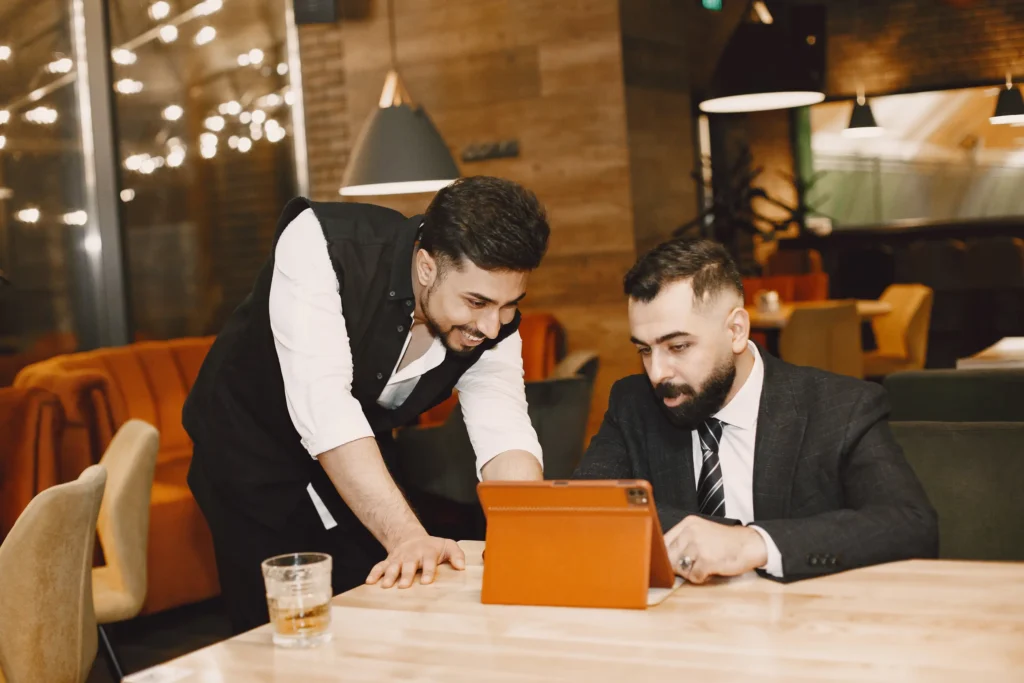
Restaurant website speed optimisation is one of the most practical fixes because it affects both rankings and diners. A customer who is hungry, outside, and using mobile data will not patiently wait for a heavy website to load.
Common speed problems include oversized photos, unnecessary animations, bloated templates, too many third-party scripts, and menu PDFs that take too long to open.
Practical fixes include:
- Compress food and interior photos before uploading
- Avoid auto-loading large video backgrounds
- Use a lightweight website theme
- Test your booking and menu pages on mobile data
- Remove old plugins or scripts that no longer serve a purpose
A fast website keeps diners moving toward the next action instead of sending them back to Google Maps.
Mobile-Friendly Restaurant Website Basics
A mobile-friendly restaurant website is not just one that “fits” on a phone. It should help users complete common actions quickly.
Check whether diners can:
- View the menu without pinching and zooming
- Tap to call
- Tap to book
- Tap for directions
- Find opening hours within seconds
- Read the address clearly
- Place an order without confusion
This matters because restaurant searches are often urgent. Someone looking for “lunch near me” does not want to decode your design. They want to know what you serve, where you are, whether you are open, and how to book or go there.
If your site is mobile-friendly but still hard to use, it may pass a basic test while still losing customers.
Restaurant Schema Markup
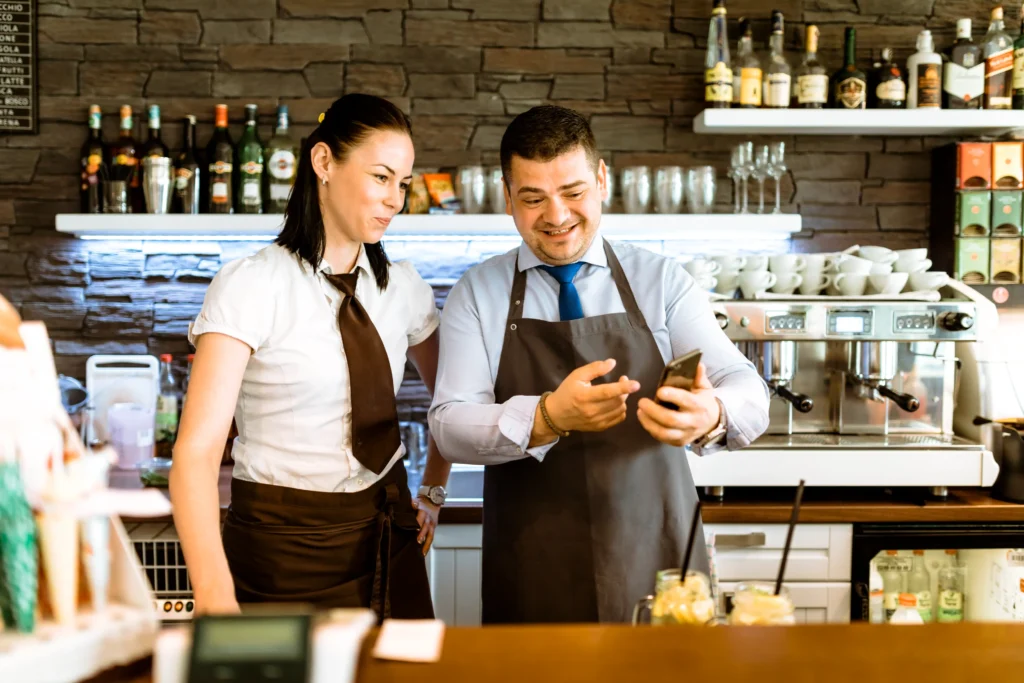
Restaurant schema markup sounds technical, but the idea is simple. It is structured information added to your website to help Google understand your business more clearly.
For restaurants, schema can support details such as:
- Restaurant name
- Address
- Phone number
- Opening hours
- Cuisine type
- Menu URL
- Reservation URL
- Price range where relevant
Schema does not magically push a restaurant to the top, but it helps reduce ambiguity. When your website, Google Business Profile, and wider listings all confirm the same details, Google has a clearer picture of your business.
The goal is consistency. Google should not have to guess what your restaurant is, where it is, or how customers can reach you.
Common Technical SEO Problems Restaurants Miss
Restaurant websites often fail in small ways that add up.
The most common issues we see include:
- Menu pages blocked from Google or uploaded only as images
- Broken booking or delivery links
- Duplicate pages from old campaigns
- Missing page titles and meta descriptions
- Poor internal links between menu, location, and reservation pages
- No clear contact or location page
- Outdated website details that do not match Google Business Profile
These issues are easy to overlook because the site may still “look fine”. But search visibility depends on whether Google and diners can use the site properly.
Closing Thought
Technical SEO for restaurants does not need to feel overwhelming. Most issues are practical and fixable: speed, mobile usability, broken links, readable menus, schema markup, and consistent business information.
Working with SEO for Restaurants can help you identify the technical gaps that quietly affect Google visibility and customer action. If your website looks good but does not bring enough diners from search, a technical SEO check can show what is slowing down visibility, bookings, and enquiries.