A restaurant in Singapore can be found in two very different ways. A local customer might search “lunch near Raffles Place” because they need something fast between meetings. A tourist might search “best local food near Chinatown” because they want a safe, memorable choice. This is why local vs tourist restaurant search matters more than many F&B owners realise.
Both groups use Google, but they do not search, compare, or decide in the same way. If your restaurant only optimises for one type of diner, you may be missing the other entirely.
For a deeper breakdown of how diners actually discover restaurants online through search and Maps, read this guide on how customers find restaurants online.
How Local Customers Find Restaurants On Google Maps
How local customers find restaurants on Google Maps is usually driven by routine, convenience, and timing. They already know the area, so they search with practical intent.
Common local searches include:
- “coffee near me”
- “lunch set Tanjong Pagar”
- “late dinner Bugis”
- “cafe near MRT”
- “family restaurant Tampines”
Locals often care about speed, opening hours, distance, price range, queue situation, and whether the food suits a repeat visit. They may not need a long brand story. They need to know whether your restaurant fits today’s plan.
For local diners, Google Maps signals matter heavily: correct category, pin accuracy, current hours, recent reviews, and strong photos. If your listing is outdated or unclear, a nearby competitor can win even if your food is better.
Tourist Search Behaviour For Restaurants
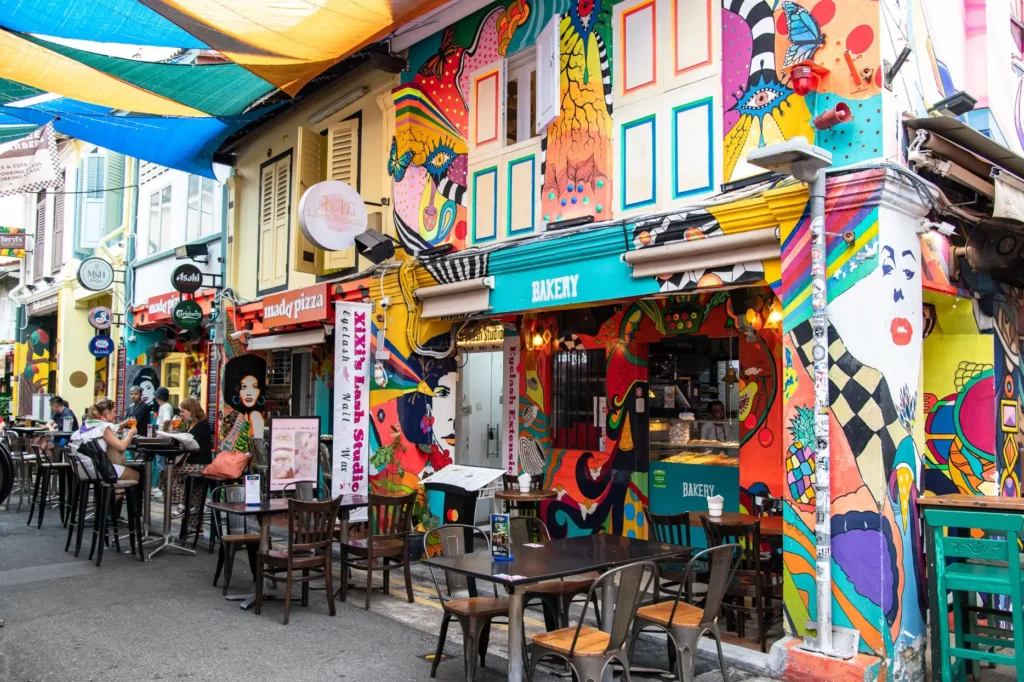
Tourist search behaviour for restaurants is more trust-led. Visitors may not know the neighbourhood, cuisine options, or what is “worth trying”, so they rely more heavily on visible proof.
Tourists often search with phrases like:
- “best Singapore food near Marina Bay”
- “where to eat near Orchard”
- “family-friendly restaurant Singapore”
- “local restaurant near hotel”
- “Michelin food near Chinatown”
They may scan reviews more carefully because they have fewer chances to get the meal right. Photos, menu clarity, price expectations, and location directions become more important. A tourist is also more likely to compare Google Maps with travel guides, hotel recommendations, food blogs, and social content.
For tourists, uncertainty is the enemy. Your listing and website must answer basic questions before they are asked.
Ranking Differences For Local Vs Tourist Restaurant Searches
The ranking differences for local vs tourist restaurant searches come from intent. Google tries to show the result that best fits the user’s situation.
For locals, proximity and immediate usefulness often carry more weight. A diner in the CBD searching for “quick lunch near me” may see restaurants that are close, open, and strongly reviewed for lunch.
For tourists, broader reputation signals can matter more. Searches like “best local food Singapore” or “where to eat near Gardens by the Bay” may surface restaurants with stronger content, more mentions, better review volume, and clearer relevance to visitors.
This means your strategy should not be one-size-fits-all. A neighbourhood cafe may focus more on local repeat searches, while a restaurant near a hotel cluster, attraction, or airport route may need stronger tourist-facing signals.
What Restaurants Should Optimise For Both Groups
The good news is that many fixes help both locals and tourists.
Start with:
- A complete Google Business Profile
- Correct pin location and address format
- Updated opening hours and special hours
- Recent photos of food, seating, storefront, and menu
- A readable menu page on your website
- Clear location details, including MRT, mall, hotel, or landmark cues
- Reviews that mention dishes, service style, and dining occasions
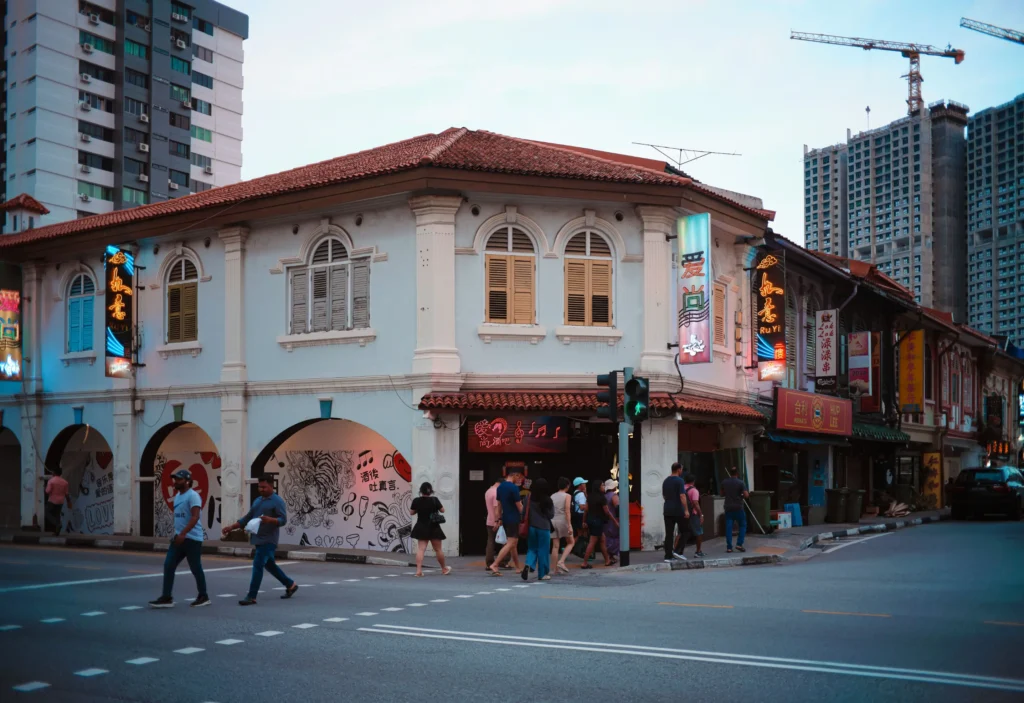
For example, a restaurant in Kampong Glam should not only say “authentic dining experience”. It should clearly show what cuisine it serves, where it is located, whether it accepts walk-ins, and what dishes people commonly recommend.
Good local SEO makes your restaurant easier to understand from both nearby and unfamiliar searchers.
Where Restaurants Often Get This Wrong
Many restaurants optimise only for brand searches. That works when people already know you, but it does little for discovery.
Common mistakes include:
- No neighbourhood or landmark cues on the website
- Weak Google Maps photos
- Menu hidden in images or PDFs
- No recent reviews
- Wrong categories
- Missing tourist-friendly details such as nearby MRT, booking options, or price clarity
Some restaurants also rely too much on social media. Social may create interest, but Google is where many diners verify. If your Google presence is weak, social attention can leak away at the decision stage.
Closing Thought
Local and tourist searches are different, but both are solvable with clearer signals. Locals need convenience and reliability. Tourists need confidence and context. Google needs enough consistent evidence to match your restaurant to both.
Working with a restaurant-focused SEO team like SEO for Restaurants can help you identify which search audience you are missing and what to fix first. If you want to know whether your restaurant is better positioned for locals, tourists, or neither, a local search visibility review can give you a practical next step.