A diner who clicks your restaurant on Google Maps is usually looking for one thing first: “Can I quickly understand what they serve?” If the menu is confusing, hidden in a slow PDF, or written like a design award submission instead of a useful decision tool, that click may not become a booking. This is where menu clarity restaurant clicks becomes a real visibility issue for restaurants in Singapore.
We’ve seen restaurants with strong food lose customers because the menu did not answer basic questions fast enough. A clear menu reduces doubt, and reduced doubt often leads to more clicks, calls, reservations, and visits.
For a deeper insight, read how customers find restaurants online through Google Search and Maps.
Why Menu Clarity Restaurant Clicks Matter
Most diners do not read your menu like a novel. They scan. They want to know the cuisine, price comfort level, signature items, portion style, dietary options, and whether the place suits the occasion.
A customer searching “lunch near Raffles Place” may only have a few minutes. A family looking for dinner in Tampines wants to know whether there are suitable dishes for everyone. A couple comparing cafes in Joo Chiat wants to see whether the menu matches the mood.
When the menu is unclear, diners return to Google Maps and choose another listing. That sends a simple business lesson: visibility alone is not enough. Your listing and website must help customers decide.
The menu is not just information. It is part of your conversion path.
How Menu Design Affects Restaurant Clicks
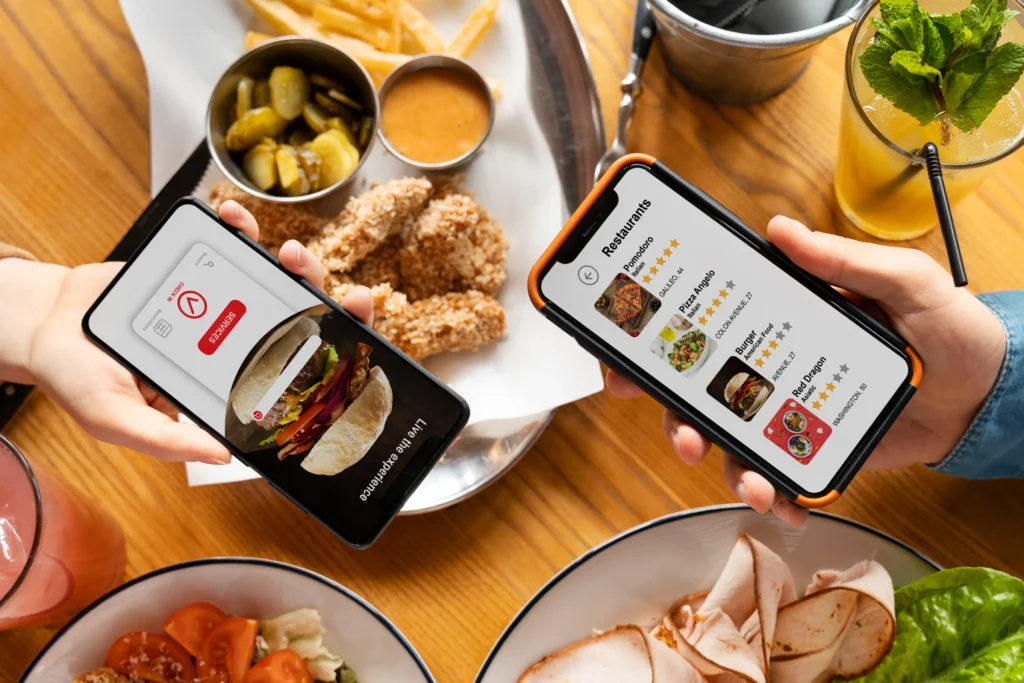
How menu design affects restaurant clicks comes down to speed, readability, and confidence. A beautifully designed menu can still fail online if it is hard to open or difficult to scan on mobile.
Common problems include:
- PDF menus that load slowly on mobile data
- Menu images with tiny text
- No clear categories
- Dish names without descriptions
- Prices hidden when diners expect them
- No indication of lunch sets, sharing portions, or dietary options
- Outdated menu links from old promotions
In Singapore, many diners compare several restaurants in one search session. A clear menu keeps them engaged. A confusing menu sends them back to competitors.
Design should support decisions. It should not make diners work harder.
Online Menu Optimisation For Restaurants
Online menu optimisation for restaurants starts with making the menu readable to both customers and Google. That means your key menu content should exist as text on your website, not only inside a graphic or PDF.
Text-based menu content helps Google understand:
- Cuisine type
- Dish names
- Meal occasions
- Special offerings
- Location relevance
- Search intent
For example, “weekday lunch set in Tanjong Pagar” gives Google and diners far more useful context than a menu image titled “Menu Final Updated V3”. A restaurant selling handmade noodles, nasi lemak, omakase sets, or brunch plates should make those terms clear on the page.
This also supports Google Maps behaviour. When diners tap from your listing to your menu, they should land on a page that loads quickly, reads well on mobile, and points them naturally toward booking, calling, or ordering.
A menu page should answer before the customer has to ask.
Restaurant Menu Structure For Better Engagement

A strong restaurant menu structure for better engagement is usually simple. It should reflect how diners think, not how the kitchen files dishes internally.
Useful menu sections may include:
- Signatures
- Lunch Sets
- Sharing Plates
- Mains
- Sides
- Desserts
- Vegetarian or Dietary Options
- Takeaway or Delivery Items
For some restaurants, occasion-based structure works even better. A cafe might highlight “Quick Lunch”, “Brunch”, and “Coffee And Pastries”. A fine dining restaurant might separate tasting menus, set lunches, and private dining options. A delivery-focused brand may need categories based on bundles, solo meals, and family sets.
The key is not to overcomplicate it. Diners should understand what to order, how much effort is involved, and what kind of experience to expect.
What Restaurants Often Miss
Many owners treat the menu as a kitchen or branding document. Online, it has another job: helping searchers convert.
The most common missed opportunities are:
- No menu preview on Google Business Profile
- Menu link points to Instagram instead of a proper page
- Old prices or unavailable items remain online
- No internal links from menu to booking or ordering
- No location context on the menu page
- No signature dish language that helps Google understand relevance
These are not huge technical problems, but they add friction. In local SEO, friction matters because diners have alternatives one tap away.
Closing Thought
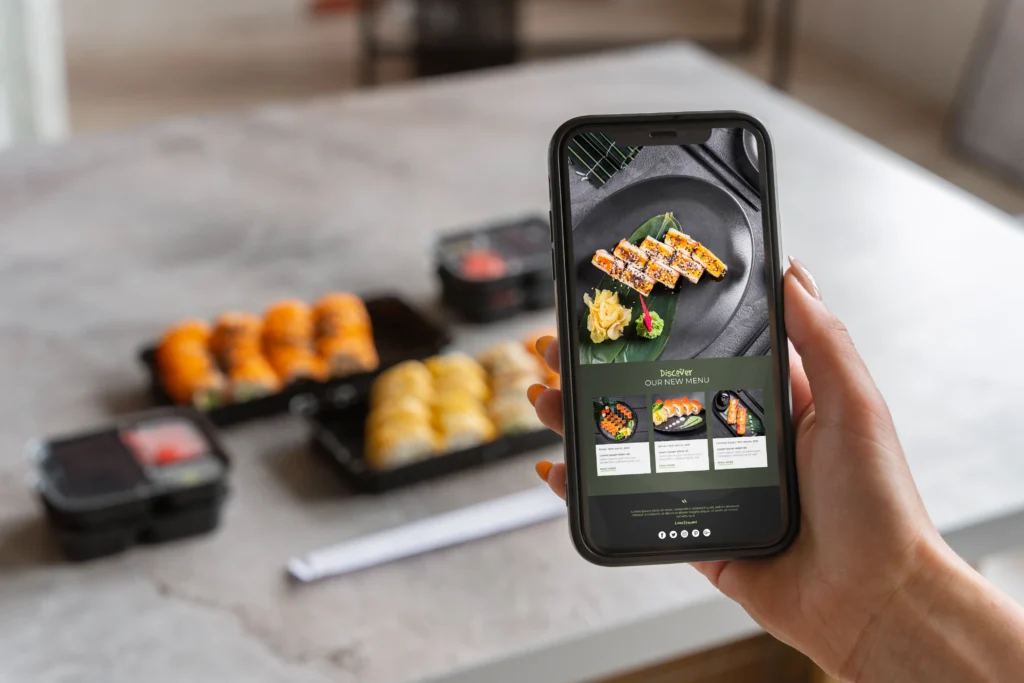
Menu clarity is one of the easiest visibility improvements restaurants overlook. It affects how customers understand you, how Google reads your website, and how smoothly a search turns into a reservation or order.
Most menu issues are fixable with clearer structure, readable text, faster mobile pages, and better links from Google Maps. Working with SEO for Restaurants can help you turn your menu from a static file into a stronger search and conversion asset. A menu visibility review can show where diners are dropping off and what changes could help more clicks become customers.