A restaurant does not lose customers only at the table. It can lose them before they ever arrive, when they cannot find the menu, compare options, trust the reviews, or understand why the restaurant is worth choosing.
That is why a restaurant marketing funnel matters. It helps restaurant owners see the full path from discovery to first visit, then from first visit to repeat customer. Without that view, marketing becomes a collection of disconnected tasks: social posts, promotions, flyers, ads, reviews, and website updates with no clear order.
For a wider look at how restaurants attract customers in Singapore, it helps to understand the funnel as part of the full customer journey, not just a sales concept.
Start With The Restaurant Customer Journey
The restaurant customer journey usually begins before hunger becomes a decision. A diner may see a dish on social media, walk past the storefront, hear about the restaurant from a friend, or search “best Thai food near Bugis.”
From there, they check signals. Is the restaurant open? Is the menu clear? Are the reviews recent? Are photos convincing? Is the location convenient? Can they book easily?
Nielsen Norman Group explains that journey maps visualise the process a person goes through to accomplish a goal, which is useful when businesses need to understand actions, thoughts, and pain points across touchpoints through customer journey mapping.
For restaurants, the funnel is not only about attracting attention. It is about reducing doubt at every step.
Restaurant Marketing Funnel Stages That Matter

A practical restaurant marketing funnel usually has five stages.
First is discovery. This is where diners find the restaurant through Google Search, Google Maps, social media, word of mouth, media coverage, or street visibility.
Second is evaluation. This is where they compare photos, menus, prices, reviews, distance, opening hours, and booking options.
Third is action. This may be a reservation, phone call, direction request, delivery order, enquiry, or walk-in decision.
Fourth is experience. The meal, service, ambience, payment, and staff interaction shape whether the customer feels the choice was worthwhile.
Fifth is return. This includes repeat visits, reviews, referrals, branded searches, and loyalty without constant discounts.
A weak funnel usually breaks in one of these places. The restaurant may be discovered but not trusted. Trusted but not easy to book. Visited once but forgotten afterward.
Turn Visibility Into Action
Restaurant lead generation strategy sounds more suited to B2B companies, but restaurants also generate leads. A call is a lead. A direction request is a lead. A private dining enquiry is a lead. A reservation click is a lead.
This is where Google Maps and local SEO become important. A brunch café in Holland Village may not need every person in Singapore to see it. It needs to appear for people nearby searching for brunch, coffee, breakfast, pet-friendly seating, or weekend reservations.
The National Restaurant Association’s Restaurant Technology Landscape Report 2024 notes that technology expectations differ by restaurant segment and customer type, which is a useful reminder that every funnel should match how the restaurant’s actual diners behave.
The strongest funnel is built around real customer intent, not marketing assumptions.
How To Turn Restaurant Visitors Into Repeat Customers
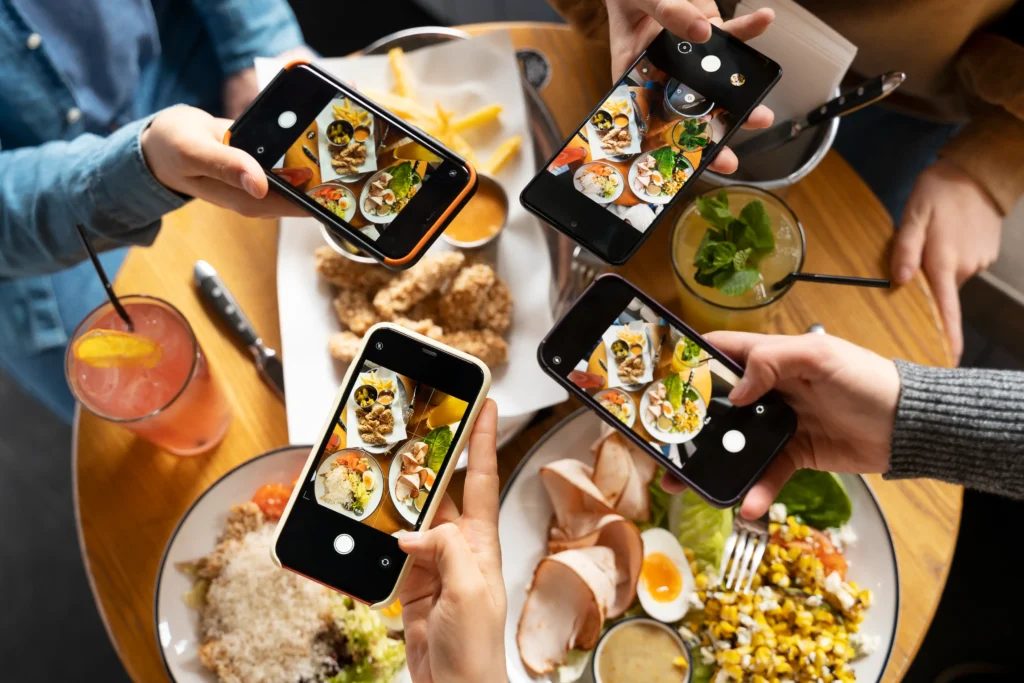
How to turn restaurant visitors into repeat customers begins before the bill is paid. A good meal matters, but so does memory.
Can customers remember the dish that made the visit worthwhile? Can they find the restaurant again easily? Did the restaurant ask for a review at the right moment? Is there a reason to return, such as seasonal menus, group dining, weekday lunch value, or a signature item?
Deloitte’s perspective on restaurant customer experience strategy highlights the need to view restaurants through the eyes of guests. That mindset is important because repeat visits come from the customer’s full impression, not just the operator’s intention.
For SEO, repeat behaviour also creates signals. More branded searches, better reviews, stronger engagement, and clearer online information can help support future discovery.
Where SEO For Restaurants Fits In
At SEO for Restaurants, we often start by finding the weakest part of the funnel. Some restaurants have strong awareness but poor Google Maps visibility. Some have good rankings but weak conversion because the menu, reviews, or booking path creates doubt. Some attract first-time diners but do not build enough repeat discovery.
SEO work helps connect these stages. It improves how the restaurant is found, understood, trusted, and chosen.
Build The Funnel Before Spending More

If marketing feels scattered, the issue may not be effort. It may be that the funnel has not been mapped clearly enough.
This is common and fixable. A restaurant-focused SEO review can show where diners are dropping off, whether in search visibility, Google Maps actions, website clarity, reviews, or repeat-customer signals. Once that is clear, the next marketing step becomes easier to choose.