A restaurant opening date has a habit of moving.
Renovation takes longer. Equipment arrives late. The licence is still being processed. The chef wants another week with the menu. Meanwhile, someone asks when marketing should start.
The answer is usually earlier than most owners expect.
A restaurant launch marketing timeline should begin before the doors open, because Google visibility, local awareness, reviews, photography, and website pages all need time to become useful. The goal is not to create noise for eight weeks. It is to make sure customers can find and understand the restaurant when opening day finally arrives.
For the broader strategy behind this, our guide to restaurant marketing in Singapore explains which channels tend to matter beyond launch week.
Eight Weeks Before Opening: Build The Search Foundation
At this stage, resist the urge to announce everything.
Start with the information customers and search engines will eventually need:
- Restaurant name and concept
- Address and neighbourhood
- Cuisine
- Expected opening period
- Website or landing page
- Menu direction
- Reservation method
- Social profiles
Google allows businesses that have not opened yet to create a Business Profile and set a future opening date. Once verified, the profile can appear up to 90 days before opening, giving restaurants a useful window to establish their presence on Search and Maps. Google Business Profile explains the process here.
Do not wait until opening morning to introduce Google to the restaurant.
This is also the right time to identify searches such as “Italian restaurant Tanjong Pagar” or “new café Joo Chiat” that may shape the website structure later.
Four To Six Weeks Before Opening: Give People Something Concrete
This is when a restaurant launch marketing plan should become visible.
Photography can begin once the dishes and space are reasonably close to final. The website should explain what the restaurant is, not simply display “coming soon.” Google Business Profile details should be checked. Press information can be prepared.
A useful restaurant opening marketing strategy at this stage might include:
- Menu previews
- Chef or founder story
- Signature dishes
- Location and MRT information
- Opening date updates
- Reservation launch
- Behind-the-scenes content
- Media outreach
The mistake we often see is teasing the restaurant heavily before customers can do anything with that interest.
If somebody discovers you today, can they save the location, check the menu, understand the concept, or know when bookings open?
Awareness without useful information disappears quickly.
Two Weeks Before Opening: Test The Customer Journey
Two weeks out, stop thinking only like the restaurant owner.
Search for the restaurant from a customer’s perspective.
Does Google Maps show the correct entrance? Does the website work properly on mobile? Are opening hours consistent? Can someone reserve a table without messaging three different accounts?
This is also when operational readiness matters. Singapore food businesses generally need the appropriate SFA licence before commencing operations, and the licensing process can involve application review, premises setup and inspection. The Singapore Food Agency’s food retail licensing guidance is worth factoring into the launch schedule rather than treating marketing and operational dates separately.
A marketing announcement tied to an uncertain opening date can create unnecessary confusion.
Restaurant Grand Opening Marketing Timeline: Opening Week
Opening week should not be the beginning of marketing. It should be the point where all the earlier work starts connecting.
Prioritise information that helps customers act:
- Accurate opening hours
- Current menu
- Reservation links
- Fresh restaurant photos
- Google Maps directions
- Review monitoring
- Updated social profiles
Do not feel pressured to manufacture a huge grand-opening spectacle.
Harvard Business Review’s research on launch timing shows that launch pacing and timing affect how new products perform rather than simply rewarding more frequent launches. The same principle is useful for restaurants: timing and readiness matter more than creating activity for its own sake. Read the HBR discussion on launch pacing.
The First Month Matters More Than Opening Night
The opening weekend gets attention. Weeks two, three, and four tell you whether the restaurant is becoming discoverable.
Watch what customers actually do.
Are they searching the restaurant by name? Are Google Maps direction requests increasing? Which menu pages receive attention? What questions keep appearing in reviews? Are diners searching for dishes or occasions you did not originally target?
At SEO for Restaurants, this is often where we find the useful opportunities. Search data begins showing how people describe the restaurant, which local queries create visibility, and where the website or Google Business Profile needs strengthening.
SEO during a launch is not about forcing rankings overnight. It is about making sure early customer interest leaves behind a stronger search footprint.
Start Before The Doors Open
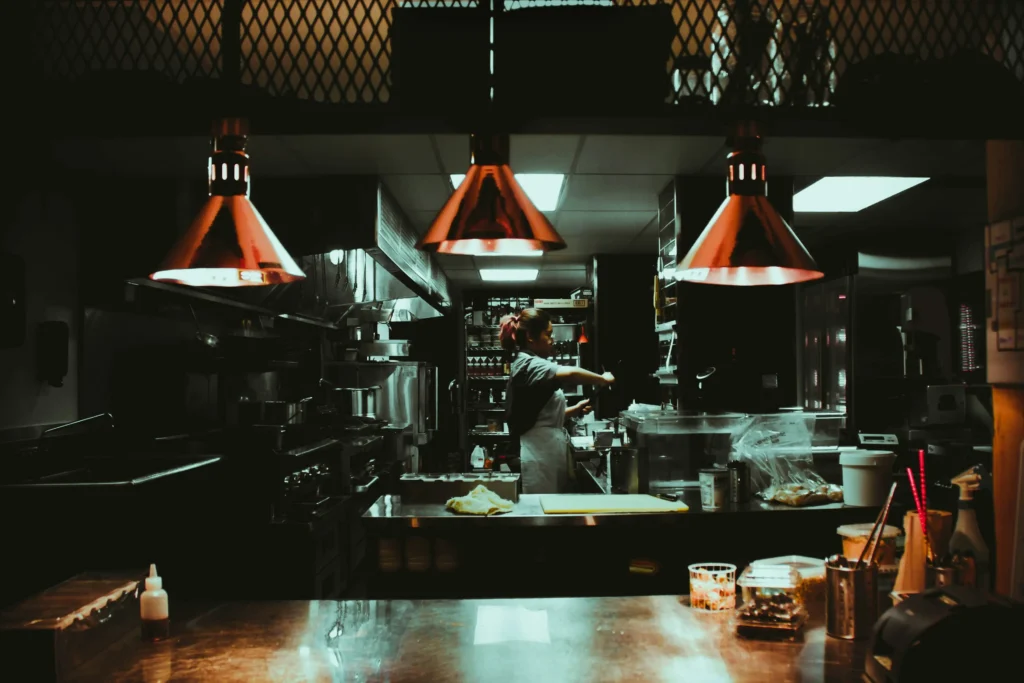
A restaurant launch is already complicated enough without trying to create an entire online presence during opening week.
Start the search foundation early, increase communication as the restaurant becomes more concrete, and use the first month to learn from real customer behaviour.
If your opening date is approaching and the marketing timeline still feels scattered, a pre-launch visibility review can help identify what should be ready before customers begin searching.