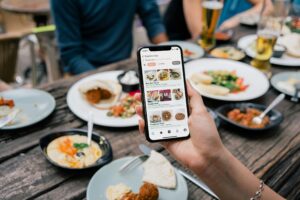
In Singapore’s vibrant F&B scene, a stunning Instagram feed has become an essential part of the modern restaurant’s playbook. Beautifully shot flat lays, behind-the-scenes Reels, and glowing influencer tags can create significant buzz. This success often leads owners to wonder: can restaurants rely on Instagram only for their marketing or do restaurants need SEO to attract ready-to-dine customers? It is a tempting proposition. The platform is visual, engaging, and offers a direct line to a food-loving audience.
However, in our experience helping F&B brands navigate restaurant marketing in Singapore’s competitive F&B scene, we have seen the risks of putting all your eggs in one social media basket. While Instagram is a powerful tool for brand building, relying on it exclusively leaves you vulnerable and often misses the most valuable type of customer: the one who is ready to eat right now.
The Difference Between Browsing and Searching
The fundamental issue with an Instagram-only strategy is the difference in user intent. People scroll through Instagram for entertainment and discovery. They are in a passive, browsing state of mind. They might see a photo of your signature cocktail, admire it, and even save it for later. But they are not necessarily looking to make an immediate dining decision.
Now, consider a user on Google. When someone types “best brunch near me” or “Japanese restaurant Holland Village,” their intent is active and urgent. They are not just browsing; they are searching for a solution to their immediate hunger. This is the critical moment where sales are won and lost. If your restaurant does not appear in these search results because your entire online presence is on Instagram, you are invisible when it matters most. This is the core reason why the answer to “is instagram enough for restaurant marketing?” is almost always no.
The Risks of “Rented Land”
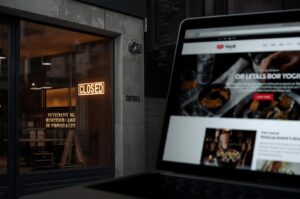
Another major drawback is that your Instagram profile is “rented land.” You do not own your followers or control the algorithm. Meta (Instagram’s parent company) can change its rules overnight. We have seen it happen many times: a change in the algorithm can cause your post reach to plummet, or an account can be suspended or deleted with little warning, wiping out your entire marketing channel instantly.
This is one of the key benefits of diversifying restaurant marketing channels. By investing in assets you own, like your website, and optimizing for platforms you don’t control but can influence, like Google Search, you build a more resilient and stable business. Your website is your digital flagship, and your ranking on Google is an asset that generates consistent, high-intent traffic without being subject to the whims of a single social media platform.
How Social Media Affects Restaurant Visibility and Sales
There is no denying how social media affects restaurant visibility and sales. It drives awareness and builds a community around your brand. A viral Reel can certainly lead to a spike in traffic. However, this traffic is often fleeting. The real goal is sustainable growth, not just temporary spikes.
A balanced strategy uses Instagram for what it does best: storytelling and engagement. You can use it to showcase your brand’s personality and build desire. But that desire must be converted into action. When a user sees your post and decides they want to visit, what do they do next? They switch to Google Maps to find your location, check your opening hours, and read reviews. If that foundational information is missing or inaccurate on Google, the customer journey breaks down, and the sale is lost.
Can Restaurants Rely on Instagram Only If Their SEO is Strong?
The most effective strategy is not an “either/or” but a “both/and” approach. Your Instagram activity and your SEO foundation should work together. A great Instagram post creates the initial spark of interest. A strong SEO presence ensures that when a potential customer acts on that spark, they can find you easily.
Think of it this way: Instagram is your billboard, but Google is your front door. A beautiful billboard is pointless if the door is locked or hidden. A well-optimized Google Business Profile, a mobile-friendly website with a clear menu, and a consistent stream of positive reviews are the keys to that front door. They capture the demand that your social media efforts create.
Building a Resilient Marketing Strategy

Relying solely on Instagram is a high-risk strategy that leaves potential revenue on the table. The platform is an excellent part of a balanced marketing diet, but it cannot be the entire meal. Your restaurant’s long-term success depends on being visible at every stage of the customer’s journey, especially at the moment of decision.
The challenges of balancing different marketing channels are common, but the solution is clear: build a solid foundation first. Ensure your business is discoverable and trustworthy on search engines before you scale up your social media spending. If you’re unsure where to start, a visibility review can help clarify the situation.