Opening a beautiful dining space in a vibrant neighborhood like Joo Chiat or Keong Saik is a massive achievement. You put endless hours into perfecting the menu, training your staff, and designing an inviting atmosphere. Yet, when you test search for your own business on your phone, you might notice something highly frustrating. You only appear in the top results when you are standing directly outside your own front door, which often feels like your restaurant not showing on Google Maps for anyone further away.
Understanding the distance factor google maps restaurants navigate daily is essential for attracting diners from outside your immediate street. While physical location matters, it does not have to be a permanent limit on your digital growth. Let us explore exactly how proximity works and how you can effectively expand your online reach.
How the Algorithm Views Physical Proximity
When hungry locals pull out their smartphones to find a place to eat, search algorithms prioritize convenience above almost everything else. If you want to fully understand how distance affects restaurant ranking on Google Maps, it comes down to interpreting user intent. The system naturally assumes that someone searching for “best pasta near me” wants a reliable dining option within a short walk or a quick drive.
Because the primary goal of the search engine is to provide the most useful and immediate answer, it naturally draws a tight geographical boundary around the user. If two cafes have identical digital profiles, the platform will always recommend the one that is physically closer to the person searching.
The Localized Search Bubble
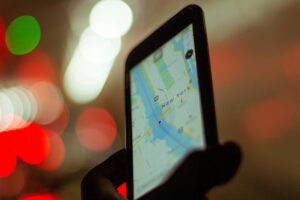
This strict automated focus on physical location is exactly why my restaurant shows up only for nearby searches on Google. If your digital profile only contains basic information like your street address and operating hours, search platforms have no other quality metrics to judge your venue by. They are forced to rely entirely on how close you are to the searcher.
In contrast, you have likely noticed that certain highly trusted venues consistently break through this geographical boundary. These popular spots show up for users several MRT stops away because search engines recognize them as destination dining experiences that are well worth traveling across Singapore to visit.
Building Prominence and Relevance
Breaking out of this invisible geographical boundary is entirely possible with a structured approach. Learning how to improve Google Maps ranking beyond location proximity primarily involves building digital prominence. Prominence is a measure of how well known and trusted your establishment is across the internet.
You can actively build this trust by consistently collecting detailed customer reviews. When local diners write glowing feedback mentioning your signature dishes and exceptional service, it proves to the algorithm that your food is worth a longer journey. Furthermore, ensuring your brand name, address, and phone number are consistently listed on credible local food directories heavily reinforces your digital authority.
Expanding Your Digital Footprint
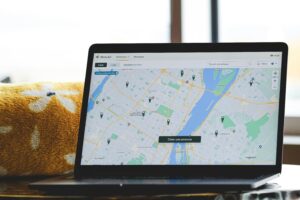
Overcoming the distance factor google maps restaurants struggle with also requires a highly optimized website foundation. Search systems need clear, readable text to understand exactly what you offer and who you serve. Instead of relying on beautiful but unreadable image based menus, type out your specific dishes clearly in standard web text.
You can also naturally mention nearby landmarks, major roads, or adjacent neighborhoods on your website to help search engines understand your broader service area. These careful technical details send strong signals to search platforms that your venue is a highly relevant option for users searching from neighboring districts.
Reaching Beyond Your Neighborhood
Feeling restricted to a tiny geographical search bubble is a very common phase for many growing F&B brands across Singapore. Fortunately, expanding your search visibility radius is a straightforward and highly solvable process once you understand the underlying mechanics of local search.
Balancing complex digital optimizations with the daily demands of running a busy kitchen is often overwhelming for independent operators. Working with a dedicated SEO partner who deeply understands the local dining landscape can save you from costly technical mistakes and wasted time. We specialize in building the digital trust required to pull diners from beyond your immediate neighborhood.
If you are unsure how to extend your current online reach, a quiet visibility review can easily map out the best path forward for your venue.