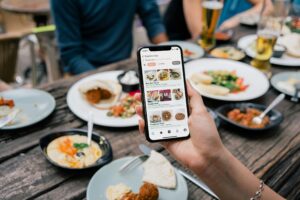
Opening a new restaurant in Singapore is exciting. But many restaurant owners only realise later that being open does not mean being found. Search engines do not automatically understand your restaurant’s concept, location, or why it deserves to appear for relevant searches. Without intentional online visibility SEO work, even great food and service can stay invisible in a crowded market.
This is why new restaurant SEO Singapore matters from day one. In this guide, SEO For Restaurants break down why new places do not get discovered, what drives local search performance, and the practical steps that help your restaurant appear on Google search, Google Maps, and in local search results when potential customers search for places to eat. If you are also trying to build trust quickly, start by strengthening your review signals, as explained in our guide on Google reviews for restaurants.
Why New Restaurants Stay Invisible to Hungry Customers
There is often a gap between your physical opening and your online visibility. People search with specific intent: “thai food near me”, “best brunch in Orchard”, or “fine dining establishment in Marina Bay”. If your restaurant does not show up in search results, you are invisible to a large pool of hungry customers and potential diners.
Many restaurants assume posting on social media is enough, but most discovery still starts with local search. When your restaurant appears late, it is usually because the foundations that influence local search rankings were not set up early.
Local SEO Matters for New Restaurant SEO Singapore
Local SEO is not generic search engine optimization. For restaurants, it is about being visible for relevant local searches at the exact moment people are deciding where to eat. Local SEO matter because diners search with location intent, and local search rankings directly affect calls, directions, and walk-ins.
If your goal is more bookings and more customers, SEO for restaurants should focus on local signals: your listing accuracy, proximity relevance, category relevance, reviews, and a restaurant’s online presence that matches real customer behaviour and market trends.
Google Business Profile Is Your Digital Storefront
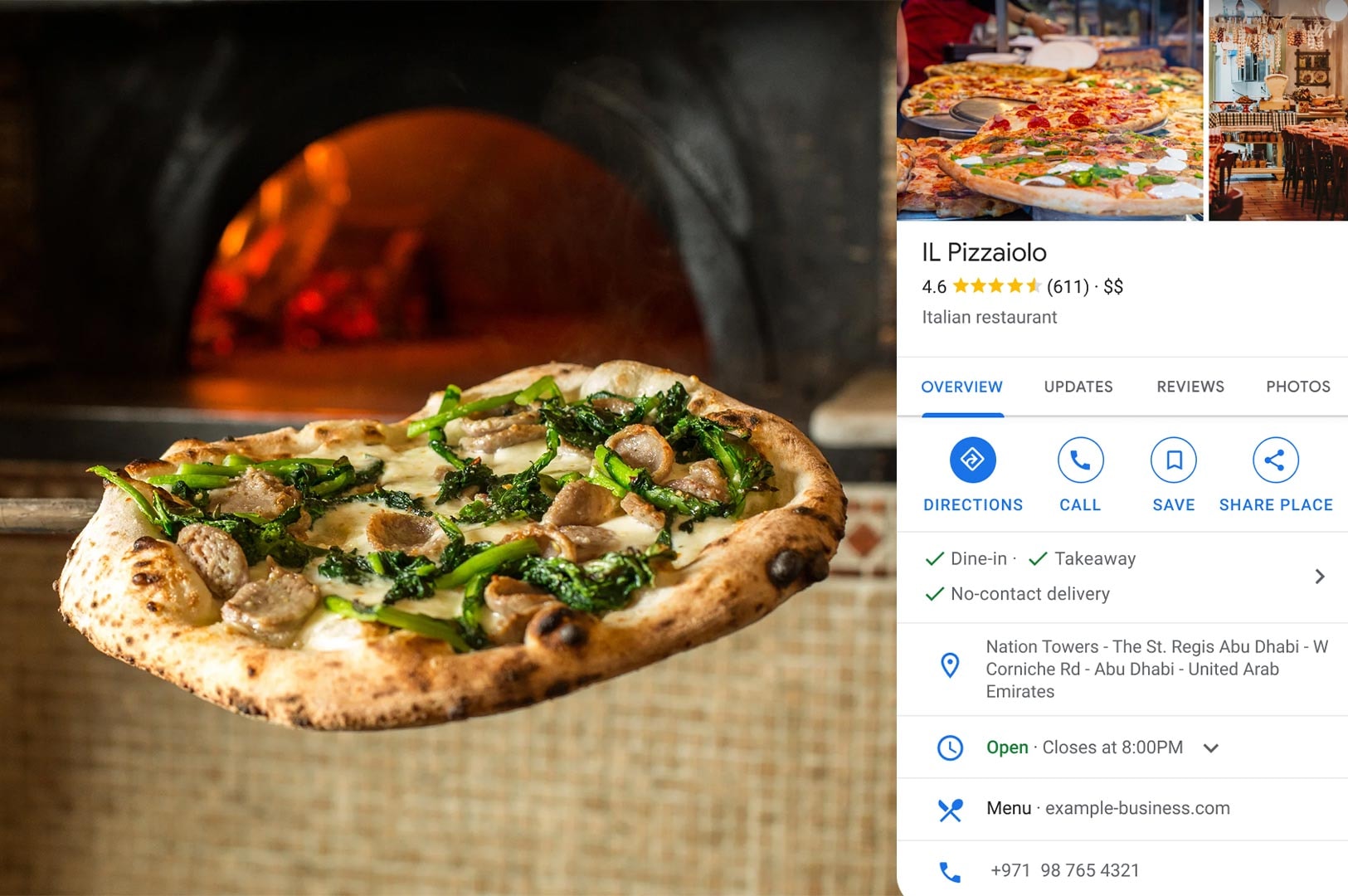
Your Google Business Profile is your digital storefront. It is what powers Google Maps results and influences how you show up in google maps and local search results. It displays your opening hours, menu items, photos, and special events.
If the profile is incomplete, inconsistent, or missing key details, your restaurant’s visibility suffers and competitors win the click. A well-optimised profile supports search visibility and helps ensure your restaurant appears for nearby diners, especially on mobile.
Key basics that impact local search rankings:
- Correct address and pin placement
- Accurate categories and attributes
- Updated opening hours and holiday hours
- Complete menu items and online ordering links
- High quality photos that reflect your space and food
Local Business Schema and Technical Foundations That Help You Rank
A great-looking listing is not enough if your website is technically weak. Local business schema is structured data that helps search engines understand your cuisine type, location, price range, and opening hours. Without it, search engines guess, and guessing usually means fewer appearances in relevant search engine results.
Also, your restaurant website must be mobile friendly. Most people search and decide from a phone. Mobile optimisation supports both user experience and search rankings, and it helps converting searches into actual visits or online ordering.
Keyword Strategy for What People Search
A strong keyword strategy starts with reality: people do not search for “restaurant”. They search for specific cuisine and place: “thai food Bugis”, “romantic Italian dinner Tanjong Pagar”, “family friendly cafe near [landmark]”. These cuisine specific searches reflect how diners think.
Your job is to align your pages with how potential customers search:
- Use local keywords that match neighbourhood intent
- Mention nearby landmarks naturally
- Create pages or sections for key offerings (signature dishes, catering, private dining)
- Ensure your Google listing and website use consistent relevant keywords
This is the core of restaurant SEO that drives meaningful local search performance, not just traffic.
Local Citations and Local Directories Build Trust
Local citations are mentions of your restaurant’s name, address, and phone number across local directories, maps apps, and review platforms. Search engines use them to validate legitimacy and strengthen local visibility.
Consistency is critical. If details vary across platforms, your search visibility drops. A clean citation footprint supports local search rankings and makes it easier for Google to trust your restaurant’s online presence.
Google Reviews, Positive Reviews, and Review Management

Google reviews and other online reviews influence both visibility and choice. Google has stated that prominence factors include review count and score. In practice, google rewards restaurants that show stronger social proof and engagement.
But review management is not about gaming the system. It is about:
- Encouraging reviews from satisfied customers
- Making it easy to leave reviews (QR code at cashier, link on receipt)
- Responding professionally to negative feedback and negative reviews
- Learning from poor reviews and showing accountability
A healthy profile with positive reviews builds trust with potential diners and supports stronger local search performance.
Content Marketing That Attracts More Hungry Customers
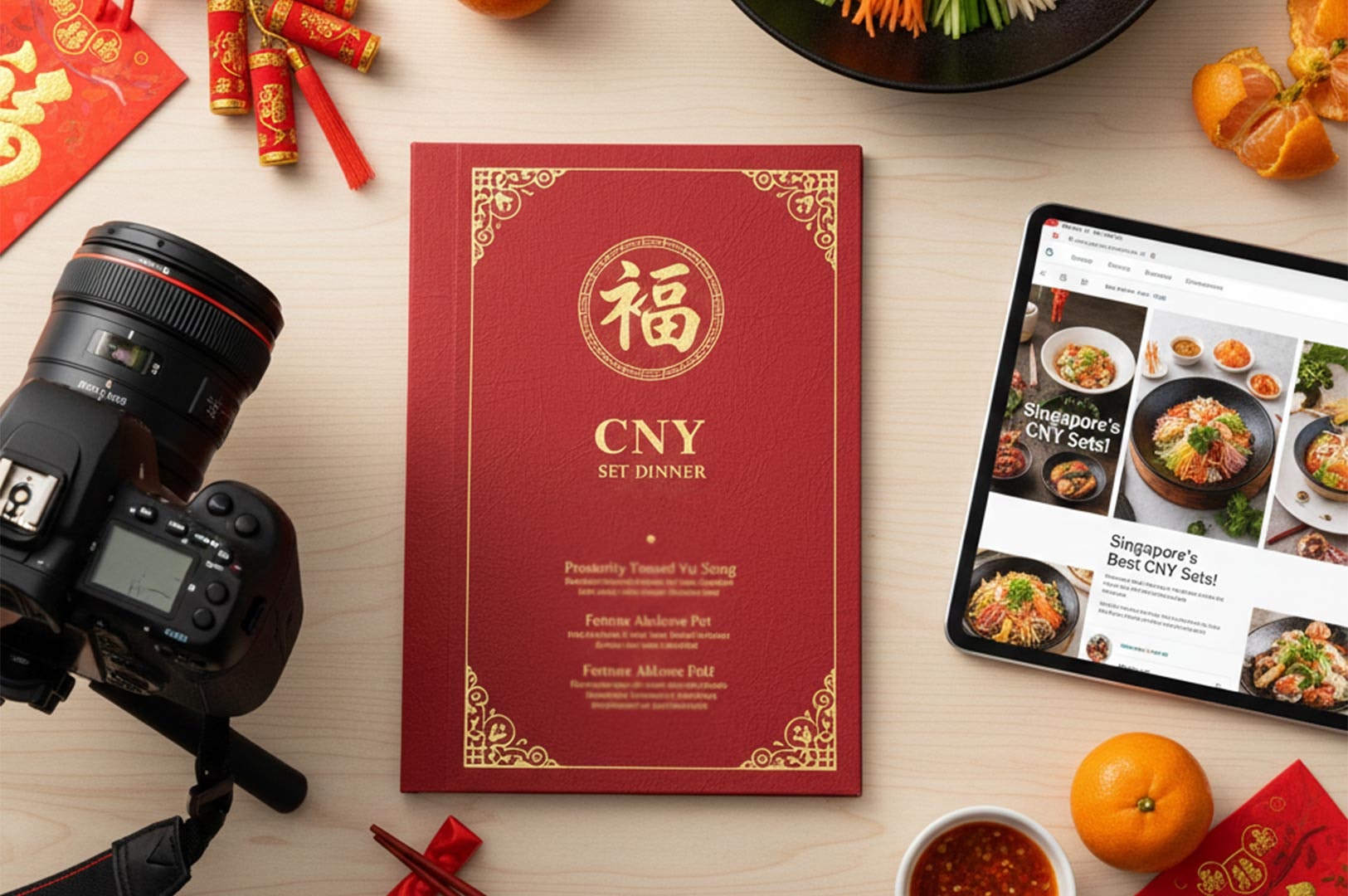
Content marketing gives search engines more reasons to index and show your restaurant. Instead of generic posts, publish content that matches what diners look for:
- Seasonal promotions (CNY sets, summer specials, tasting menus)
- Collaborations with local producers
- Behind-the-scenes stories of signature dishes
- Updates for special events
This also pairs well with social media integration. Social media helps distribution, but SEO helps discovery when people search with intent. Consider working with food bloggers, contributing to food blogs, or partnering with local media for credibility and reach.
Marketing Strategy: Organic SEO Plus Paid Ads for Launch
A smart marketing strategy balances short-term attention and long-term visibility. Paid advertising and paid ads can drive immediate traffic during launch, but you should also build organic visibility so your customer acquisition costs do not stay high forever.
Think of it as two tracks:
- Launch push: paid ads, collaborations, social media
- Foundation: local SEO, citations, reviews, technical SEO, content
This is how online visibility becomes stable, not dependent on constant spend.
Conclusion
Invisible openings are common, but preventable. New restaurant SEO Singapore works when the basics are coordinated: an optimised Google Business Profile, consistent local citations, strong keyword strategy, authentic reviews, a mobile friendly restaurant website, and technical foundations like local business schema that search engines can understand.
If you are opening soon or recently launched, a visibility review can show why your restaurant’s visibility is weak, what is limiting your local search rankings, and what to fix first. That way, your restaurant appears when hungry customers search, not months after the hype fades.