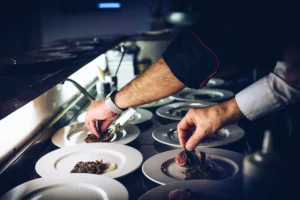
A busy weekend promotion can feel reassuring. Seats fill faster, delivery orders rise, and the team feels like the campaign worked. But the tension between promotions vs long term restaurant growth begins after the discount ends.
Many restaurant owners in Singapore know this pattern well. A one-for-one pasta deal brings new faces in. A limited-time lunch set improves weekday traffic. A delivery discount pushes orders for a few days. Then the numbers soften again.
Promotions are not the problem. The problem is relying on promotions to do the job of visibility, trust, repeat visits, and search demand. For a deeper view of how restaurants can attract customers beyond temporary campaigns, our guide to restaurant marketing in Singapore explains the bigger system behind customer acquisition.
Why Promotions Feel Effective So Quickly
Promotions work because they remove friction. A diner who is unsure may become willing to try a restaurant because the risk feels lower. This is especially true in competitive areas like Bugis, Tanjong Pagar, Orchard, and Katong, where diners have many choices within a short walk or delivery radius.
For a new café, a soft-launch discount can help introduce the brand. For a bar, happy hour can build early evening traffic. For a delivery-focused kitchen, a first-order incentive can help customers sample the menu.
Promotions are useful when they introduce people to something worth returning for. They become risky when they train customers to wait for the next discount.
That distinction matters. If diners come only because the meal is cheaper, the restaurant may see sales without building loyalty.
Promotions vs Long Term Restaurant Growth Is A Margin Question

Restaurants operate on tight margins. Food cost, rent, labour, packaging, platform fees, and utilities do not become cheaper just because a campaign is running.
A discount may lift revenue while quietly reducing profit. If the restaurant is not tracking repeat visits, average spend, reservation quality, or review growth after the promotion, it may mistake activity for progress.
This is where how to grow a restaurant without discounts becomes a serious question. The answer is rarely one tactic. It usually involves improving the reasons people choose the restaurant before price enters the conversation.
Those reasons include:
- Clear cuisine positioning
- Strong Google reviews and recent responses
- Updated photos and menus
- A website that answers practical questions
- Search visibility for location and occasion-based queries
- A customer experience worth remembering
Research from Harvard Business School Online also frames customer retention as a key marketing metric because it reflects whether people continue engaging with a business over time.
What Sustainable Restaurant Marketing Strategies Look Like
Sustainable restaurant marketing strategies do not depend on constant discounting. They make the restaurant easier to discover, easier to trust, and easier to choose.
For example, a Japanese restaurant in River Valley may not need another 20 percent promotion if it is invisible for searches like “Japanese dinner near Robertson Quay” or “sashimi restaurant River Valley.” A brunch café may not need more social posts if its Google Business Profile has outdated opening hours and old photos.
Google notes that restaurant Business Profiles can help diners find menus, photos, reservations, and ordering options on Search and Maps through Google Business Profile for restaurants. That matters because diners often check practical signals before deciding.
A strong promotion can bring attention once. Strong visibility can keep bringing customers back into the decision journey.
Building Repeat Customers For Restaurants Takes More Than Discounts
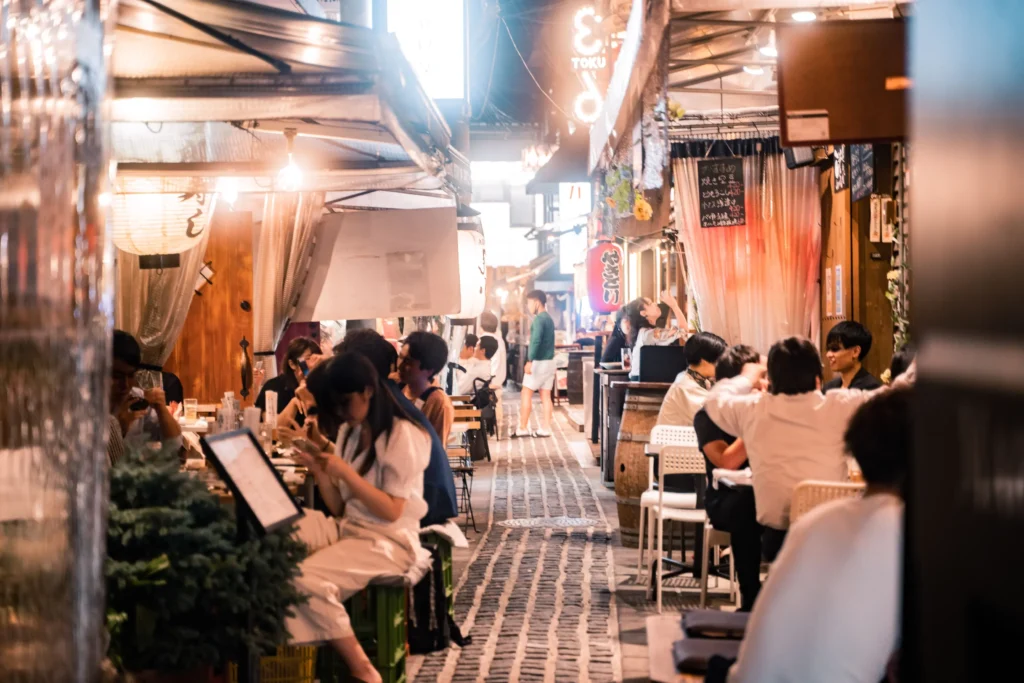
Repeat customers are built through memory, trust, and ease. They remember the dish. They trust the service. They can find the restaurant again without confusion.
This is why building repeat customers for restaurants should include both operational quality and online clarity. If diners enjoyed the meal but cannot remember the name, find the menu, confirm the hours, or see recent reviews, the return visit becomes less likely.
Bain & Company has long discussed the business value of retention, noting that even small improvements in retention can have a large effect on profitability.
For restaurants, that principle shows up in simple ways. Regulars return without needing to be convinced each time. They bring friends. They leave better reviews. They search by brand name. They become part of the restaurant’s demand base.
Where SEO For Restaurants Helps
At SEO for Restaurants, we often look at whether a restaurant is depending too heavily on paid bursts and short-term offers because organic visibility is weak.
That review usually asks practical questions. What searches should the restaurant appear for? Is the Google Maps presence complete? Are reviews helping conversion? Does the website explain cuisine, location, menu, and booking clearly? Are pages structured around the way diners actually search?
This does not mean promotions should disappear. It means they should support a stronger foundation, not cover for the absence of one.
Growth Should Not Depend On The Next Discount
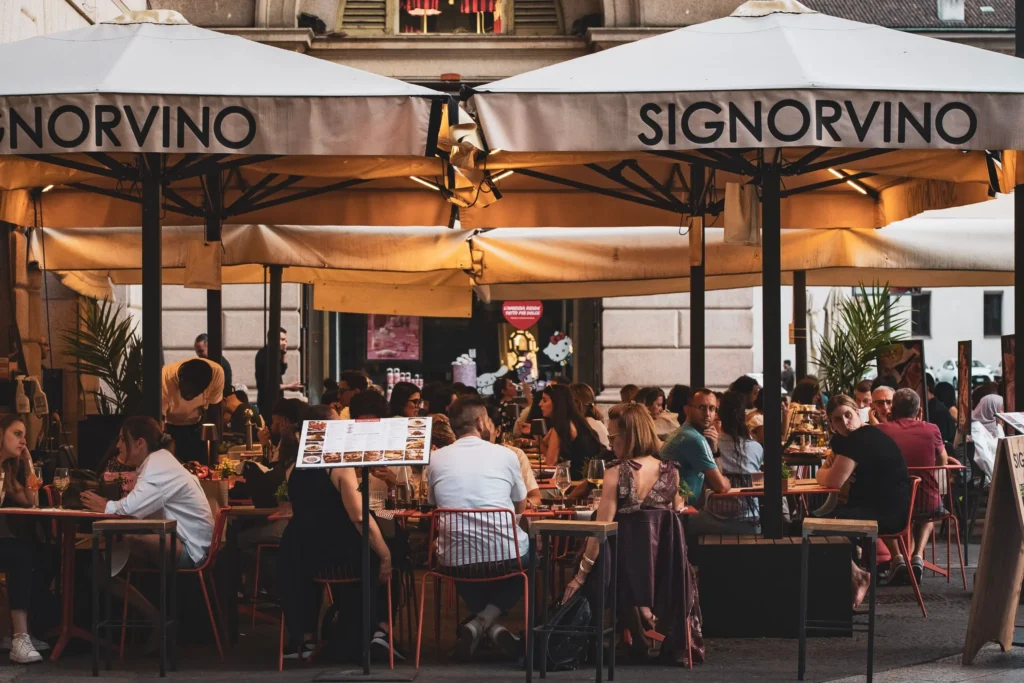
If your restaurant feels busy only when an offer is running, the issue is common and fixable. It usually means the business needs a stronger system for discovery, trust, and repeat demand.
Promotions can create a spark, but they should not become the main engine. If you want to understand whether your restaurant is relying too much on discounts, a search visibility review can help identify what should be strengthened before the next campaign begins.