Before a restaurant begins SEO, it helps to slow down and ask what the work is meant to fix. More website traffic sounds good, but for a restaurant, traffic alone is not the goal. Calls, bookings, direction requests, menu views, private dining enquiries, and repeat discovery matter more.
That is why the question of what restaurant owners know before starting SEO is not only technical. It is operational. SEO touches the way customers find the restaurant, understand the menu, compare reviews, check location, and decide whether to visit.
If you are still weighing whether SEO is worth starting for your restaurant, the first step is to understand the basics before committing time or budget.
Start With SEO Basics For Restaurant Owners
SEO basics for restaurant owners begin with one simple idea: search engines need to understand your restaurant clearly.
That means your website and online listings should explain your cuisine, location, opening hours, booking process, menu, price range, dietary details, and dining occasions. A vague website that says “great food in a cosy space” does not give Google, Maps, AI search tools, or diners enough useful information.
Google’s Search Essentials outlines the core requirements that help web content become eligible to appear and perform in Google Search. For restaurants, this reinforces a practical point: good SEO starts with a site that can be found, crawled, understood, and trusted.
If your restaurant information is unclear online, SEO has to work harder than it should.
Preparing A Restaurant Website For SEO
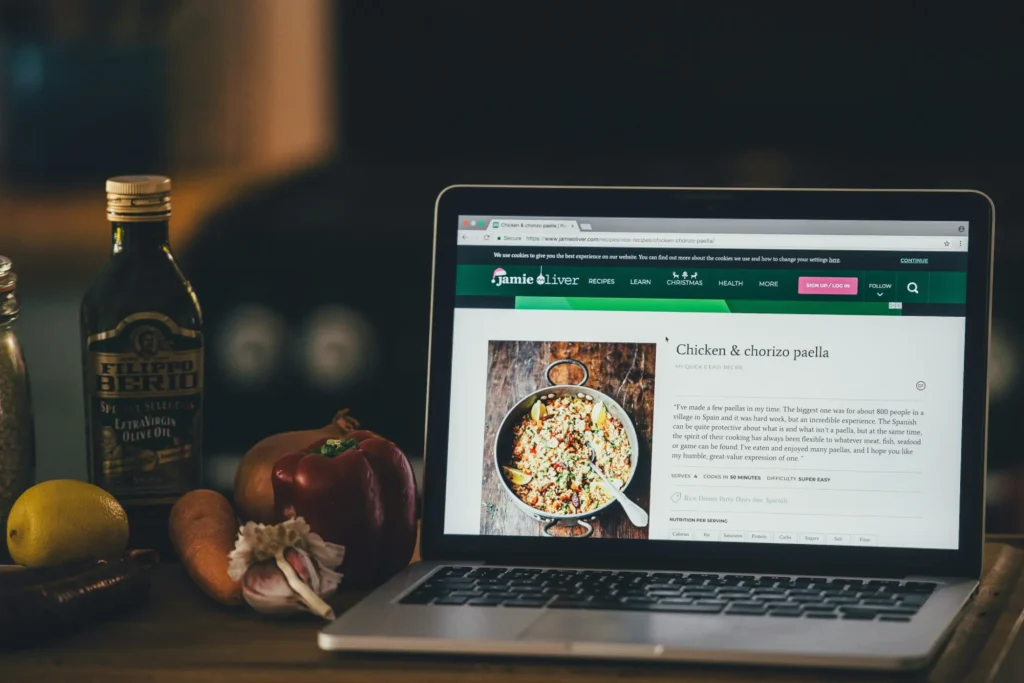
Preparing a restaurant website for SEO does not mean filling every page with keywords. It means building pages that answer real dining questions.
A diner may want to know whether the restaurant is near an MRT station, whether reservations are needed, what dishes are popular, whether the menu suits children, whether there are vegetarian options, or whether the space works for group dining.
A useful restaurant website should include:
- Clear homepage positioning
- Updated menu access
- Location and nearby landmark information
- Booking or enquiry options
- Opening hours
- Photos that match the actual experience
- Pages for important services such as private dining, delivery, catering, or set lunches
- Basic technical health, including mobile usability and page speed
Stanford’s Web Credibility Guidelines note that clear, useful design and avoiding errors help support credibility. That matters for restaurants because trust is often built before the customer arrives.
Restaurant SEO Expectations And Timeline
Restaurant SEO expectations and timeline should be realistic. Some improvements can happen quickly, such as correcting business details, improving page titles, updating menus, and strengthening Google Business Profile information.
Other work takes longer. Ranking for competitive searches like “best omakase Singapore,” “Italian restaurant Orchard,” or “halal cafe near me” usually depends on competition, content quality, reviews, location signals, website structure, and consistency over time.
SEO is not a one-time setup. It is a visibility system that improves through steady work.
This is where many restaurants become frustrated. They expect SEO to behave like a promotion. But SEO is closer to building reputation infrastructure. It helps the restaurant become easier to find and trust across repeated customer searches.
Know What You Are Measuring

Restaurant owners should not measure SEO only by keyword rankings. Rankings matter, but they are not the whole story.
For restaurants, useful SEO signals may include:
- More Google Maps actions
- Better visibility for cuisine and location searches
- Increased calls or booking clicks
- More menu views
- More branded searches
- Improved private dining or event enquiries
- Better review engagement
- More qualified website visitors
Harvard Business Review’s customer experience topic page discusses how businesses increasingly need to understand customer experience across multiple interactions through customer experience research and analysis. Restaurants face this same reality. A diner’s experience now begins long before they sit down.
Where SEO For Restaurants Fits In
At SEO for Restaurants, we often begin by separating surface problems from root problems. A restaurant may think it needs more content, when the real issue is weak local search structure. Another may think it needs ads, when the website does not clearly explain what the restaurant offers. A third may have strong reviews but poor Google Maps optimisation.
The work starts with diagnosis. What should the restaurant be found for? Where are competitors stronger? Which pages are missing? Are the menu, reviews, location, and booking signals helping or hurting the decision?
Start With Clarity Before Starting SEO

SEO becomes much easier when the restaurant understands what it wants to be found for and what customers need before choosing.
If your restaurant is preparing to start SEO, the issue is not whether you know every technical detail. Most owners do not need to. What matters is having a clear view of your visibility gaps before paying for ongoing work. A restaurant-focused SEO review can help you begin with the right priorities instead of guessing from the outside.