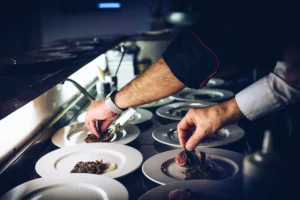
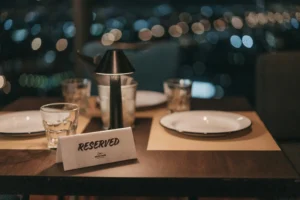
Many restaurant owners think visibility problems start with keywords, reviews, or website speed. Those things matter, but understanding how diners actually discover restaurants online today is just as important, and the role of photos restaurant decisions is often underestimated. Before a customer reads your menu, compares your prices, or clicks through to your website, they are usually making a fast judgement based on what they see in Google Search or Google Maps.
That is especially true in Singapore, where diners often compare three or four options in the same area. A cafe in Tiong Bahru, a yakiniku spot in Orchard, or a prata shop in Jalan Besar may all appear close together on the screen. The listing with clearer, more believable photos often earns the first click.
Why Photos Matter Before the Customer Ever Visits
Google’s own Business Profile guidance is quite direct about this. Verified businesses can add photos of their storefront, products, and services to make the profile more attractive, and Google specifically notes that exterior photos help customers recognise the business when they arrive. Google also says category-specific photos highlight features customers use when deciding whether to purchase, and that interior photos help customers understand the ambience and decor.
For restaurants, that means photos are not decoration. They are part of the decision-making layer. This is how restaurant photos influence customer decisions in real life: a diner wants to know if the space feels casual or formal, whether the food looks carefully prepared, and whether the setting matches the occasion. If your competitor answers those questions visually in two seconds and you do not, you are already behind.
On Google Maps, Photos Affect Clicks as Much as Confidence
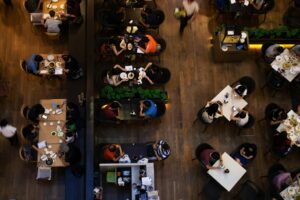
Google says local results on Maps and Search are designed to show people nearby places they would likely want to visit. That sounds simple, but it has a practical implication for F&B owners. When someone searches “brunch near me” or “late night ramen Bugis,” they are not comparing restaurants like a critic. They are scanning quickly, choosing based on trust signals.
Photos are one of the strongest of those signals. This is often where how images impact restaurant bookings and clicks becomes visible. A weak image set can make a legitimate restaurant look untested, empty, or inconsistent. A strong one can make a modest venue feel dependable and worth the trip.
This is also why the importance of food photos for restaurant marketing goes beyond social media. On Maps, photos are tied directly to search behaviour, location intent, and action.
What Good Restaurant Photos Actually Communicate
The best restaurant photo sets do three quiet jobs at once.
First, they show the food honestly. Not every dish needs a studio treatment, but customers should be able to understand portion, style, and freshness.
Second, they explain the room. Seating layout, lighting, cleanliness, and table spacing matter more than many owners realise. People are deciding whether the place feels suitable for lunch meetings, dates, families, or quick solo meals.
Third, they reduce uncertainty. Google advises businesses to use well-lit, in-focus photos that represent reality rather than heavily altered images. That matters because misleading photos may attract attention once, but they rarely support steady enquiries or repeat visits.
Why This Matters in Newer Search Experiences Too
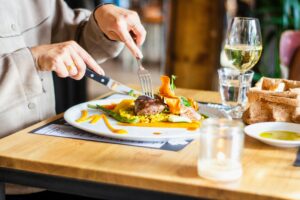
Search is becoming more visual and more layered. Google’s current guidance for site owners says its newer search features surface relevant links to help people explore content, and that the same foundational SEO practices still apply. Google also recommends making important content available in text and supporting it with high-quality images where relevant.
At the same time, Google Lens can return summaries, object-based results, similar images, and websites connected to an image. In practical terms, this means restaurant imagery is no longer just a nice extra on a profile. It supports how your business is understood across search touchpoints.
Where Restaurant Owners Usually Waste Budget
We have seen many owners spend on a photoshoot, then upload only polished hero dishes while neglecting the storefront, signage, dining room, menu context, or service experience. The result looks attractive, but incomplete.
That is where specialist restaurant SEO becomes useful. At SEO for Restaurants, the goal is not just to make a restaurant look better. It is to make the full search journey clearer, from listing impression to website click to enquiry. When the profile photos, website images, local pages, and search intent all align, rankings and leads usually become easier to improve and easier to measure.
Good visibility problems are rarely unique. They are usually a mix of incomplete signals, inconsistent presentation, and missed details. An experienced restaurant-focused agency can help you spot those gaps earlier and avoid spending on the wrong fixes. If your search presence feels unclear, a focused visibility audit is a sensible place to begin.